As the Evolution Institute explains evolutionary mismatches are genetic mutations that once were favored by natural selection, as they allowed the organism that carried them higher survivability in the environment of the time. As the environment changes, however, often genetic evolution in the organisms that inhabit it does not follow as quickly. In other words, the genetic mutation, which was once favorable could become the opposite in the now changed environment, but It would take time a very long time for natural selection to eliminate the individuals that possess the now unfavorable genetic mutations. These genetic mutations are evolutionary mismatches, as they literally do not match the environment. The Evolution Institute underlines how humans are the one species that most dramatically and rapidly changes the environment. This renders the problem of evolutionary mismatch certainly more dire.
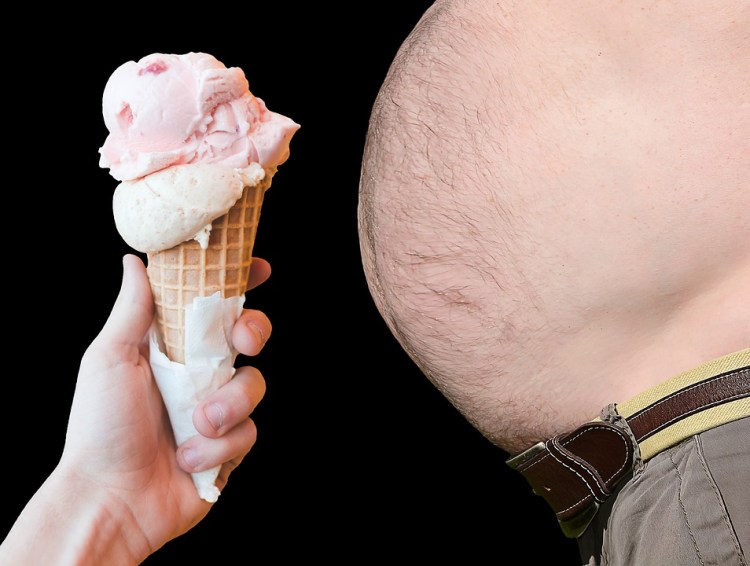
A notable and quite problematic evolutionary mismatch is the craving of sugar loaded foods. As the website Science Questions with Surprising Answers elucidates, in the past environment of our primate ancestors, fruits were less available than vegetables. However, the former provided higher energy spurts and allowed to store physical fat, that would come in handy in moments where food was lacking. As a consequence, primates that preferred fruit and sought it more eagerly, had higher chances of survivability. As they were more likely to survive, they also had a higher chance of reproducing within their lifetime. As a result, the “sugar craving” genes were spread more to the future generations.
Today this is a problem as fruits are no longer scarcely available. The rapid modification of the environment the Evolution Institute attributed to humanity is the cause of the problem. Modern society has not only made widely available fruits, but high sugar content foods such as desserts. Furthermore, sugar is in a very large quantity of industrially produced products. An article by The New York Times cites a study by the University of North Carolina. This study states that 60% of industrialized processed foods and drinks contain sugar. The Center for Disease Control and Prevention states that between the years 2017 and 2018 42.4% of Americans are obese. Clearly in the current environment sugar craving is not an advantage.
Timothy M. Frayling et al. wrote a report posted on Science Direct about the gene variation, the allele, that causes sugar craving. The allele is FGF21. The interesting part about this allele is that it’s not solely linked to sugar craving but also to a decrease in body fat, and and increase in blood pressure and waist-hip ratio, which means the fat tends to accumulate on the hips. The decrease in body fat is certainly a positive attribute of this gene in the current environment. However, the rise in blood pressure is not. It’s fascinating to see how complicated it is, and how many variables are involved.
The allele FGF21 does not only have one simple consequence, and that questions its evolutionary nature. The bigger waist could be simply linked to higher fertility for females, but what would be the evolutionary advantage of an allele which causes high blood pressure? This allele also decreases body fat, which would convert it from an evolutionary mismatch to an advantageous evolutionary trait in contemporary times. Sugar craving might be questioned as an evolutionary mismatch, yet high blood pressure might reclaim that definition.
 JacquelineFilmStudent